AFPRL 39011: Harlem in the Inter-war Years, 1918 – 1939
August 14th 2019
African-American poets, musicians, actors, artists and intellectuals moved to Harlem in New York City and brought new ideas that shifted the culture forever. From approximately 1918 to the mid 1930s, talent began to overflow within this newfound culture of the black community in Harlem as a form of expression and representation. My Topic will be about the impact of musicians on the Harlem community during the Harlem Renaissance
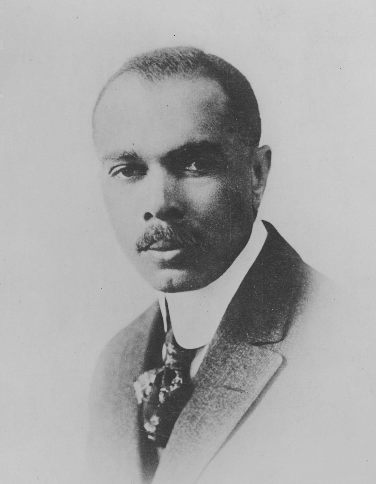
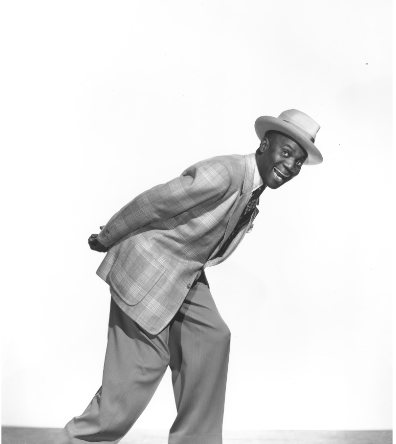
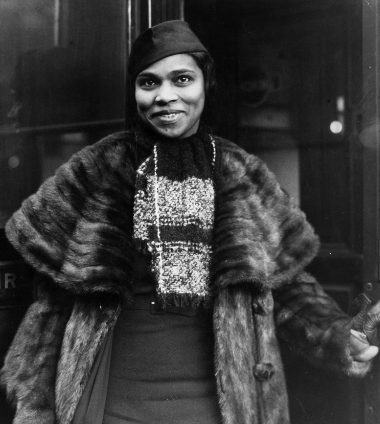
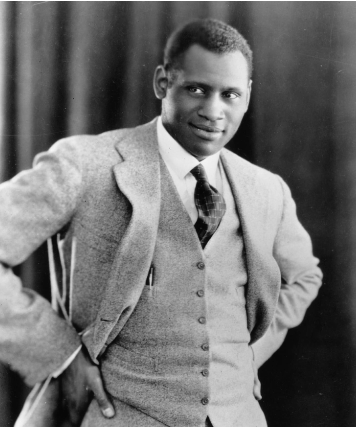
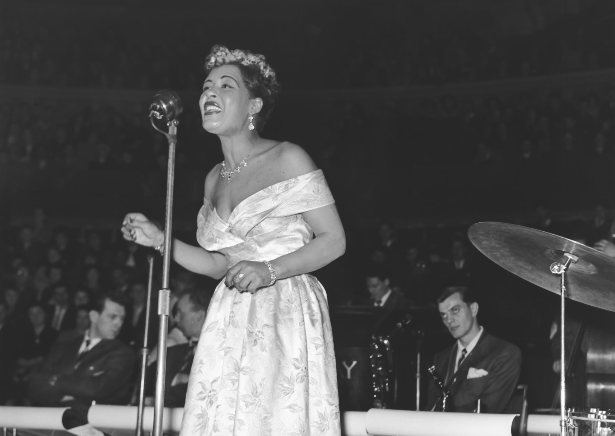
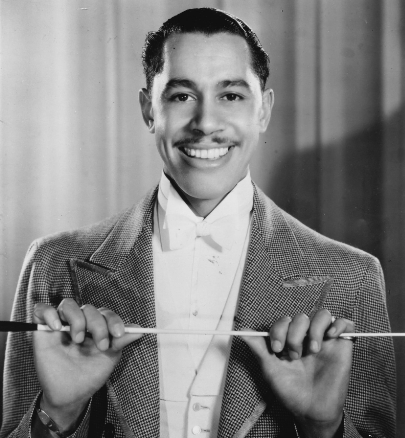
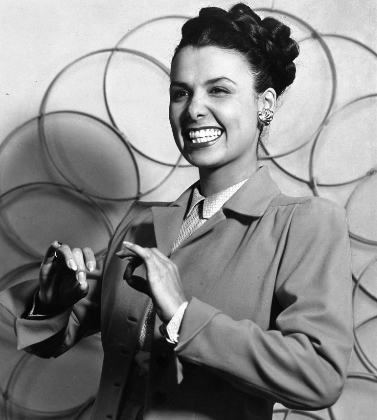
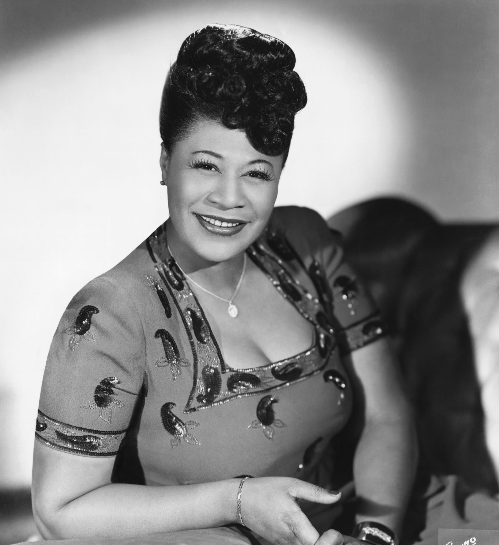
Louis Armstrong was born in New Orleans. He used to live in a dangerous neighborhood with her mother. He dropped out from 5th Grade to work so he could provide for his family. In his life time he was arrested. Before the arrested he bought himself a cornet and knew he wanted to be professional musician. Him and his band were the most influential band when it came to Jazz. Louis Armstrong moved to New York City in 1924, where he played the clubs and on Broadway, helping to spread the sound of Jazz to larger audience. 1 He made himself known on radio, in films and through his records. The cornet was his life, where his soul and spirit came out from. He wanted to make a difference through music. He died in his sleep. 1James Weldon Johnson was born in Jacksonville Florida. He actually got his education and graduated from college. He was hired as a principle as a career. He is a man of many talents (Author, Politician, journalist, lawyer, songwriter, and civil rights activist. James Weldon Johnson led the NAACP during the Harlem Renaissance and also wrote “Life Every Voice and Sing” also known as the African American National Anthem. He moved to New York and met other African American. 2Bill Bojangles Robison was born in Richmond Virginia. He was raised by his grandmother which she was a slaved in lifetime. Bill’ Bojangles Robinson was a dance legend, brought African American dance culture into the lives of audiences through his routine on Broadway during Harlem Renaissance. He also made it to Hollywood films as well. His life was revolved dancing because he started dancing when he was only 5 and he used to dance and do live performance in beer gardens. He was a successful performer and all the money that he earned by what he was doing went all towards charities in Harlem because he wanted to see a change in Harlem. He died poor because of the good thing he did to make Harlem a better place. Additionally a public park in Harlem bears him name a way of honoring his charity and the sacrifice he did for the neighborhood. 3Marian Anderson was born in Philadelphia. Anderson had a vocal talent when she was young. She began to make her talent to flourish when her church raised funds to attend music school for a year. Marian Anderson made her contralto voice heard as an opera singer who performed at Carnegie Hall in 1928 and at the New York Metropolitan Opera House in the 1930s. The first black performer to ever do so. Her talent and her voice made her known around the world, where she got invited to the white house to perform. She faced discrimination along the way because of her appearance. 4Duke Ellington was born in Washington D.C. He was a huge figure in the history of Jazz. By forming a band, moving to New York City in the early 1920s and playing at exclusively white clubs like the Cotton Club, Duke Ellington impacted the way that Jazz developed as an art form during Harlem Renaissance. He died of lung cancer and pneumonia. Before he died he said something that kept him going while he was still alive. He said “Music is how I live, why I live and how I will be remembered. A lot of people attended his funeral because the impact he did for Jazz music. 5Paul Robeson was born in Princeton New Jersey. He earned a scholarship to attend Rutgers University and he was the third African American to do so. He was a star athlete and his academic side of him was all honors which it shows he was the smartest kid. Someone that does Three things while living in New York (singer, actor, and political activist), Paul Robeson Brought dramatic performances to the forefront in production such as All God’s Chillun Got Wings during the Harlem Renaissance. 6Billie Holiday was born in Philadelphia. Her talents rose when she found solace in music, singing along to the records of Bessie Smith and Louis Armstrong. She moved to New York with her mother. She began to sing in local clubs and she renamed herself based on a film. Billie Holiday Moved her Career forward into becoming one of the most influential jazz singers in history after performing in the Apollo Theater in Harlem. After her mother passed away at the time she had a boyfriend and with him she started using heroin. She began drinking a lot without stopping and it escalated her drug use to take the pain away. Holiday was admitted to the hospital for heart and liver problems and with that she passed away. Her memories was Lady Day and more than 3,000 people say their last goodbye. She made a mark on peoples lives, walking on her foots steps. 7Cab Calloway was born in Rochester New York. Cab Calloway regularly performed at Harlem’s segregated Cotton Club during 1930s, slowly changing the way that African American were seen by the public. 8Lena Horne was born in Brooklyn New York. She didn’t finish her education and the reason why this happened was because she went to support her family. Lena Horne performed on the stage of the Cotton Club while still young during the Harlem Renaissance, helping build the foundation for the woman who would one day become one of the most popular performers in history. She was making a statement to the society about woman’s in this industry. Lena Horne died of Heart failure. 9 Lastly yet another young songstress got her start in Harlem, this time at the Apollo Theater, and won first prize. Ella Fitzgerald later became known as the ‘First Lady of Jazz.’ Fitzgerald recorded more than 200 albums and some 2,000 songs in her lifetime. She called Harlem her home and she knew during the time she wanted to make a difference in the area and towards the Entertainment Industry with her music. 10
In Conclusion All these Artist that we talked about were a huge part influencer during the Harlem Renaissance. Each of these Individual made a huge music impact not in the industry but peoples lives. While they were at some point discriminated based on their race, it didn’t stop them from making a difference in the neighborhood and the music industry breaking all norms to make music what it is today. Through their art work it shows a story of their lives and their lives during the Renaissance.
4. Smith, Virginia Whatley. “The Harlem Renaissance and Its Blue-jazz Traditions: Harlem and Its Places of Entertainment.” Obsidian II 11, no. 1 2 (1996): 21-60.
5. Tolson, Jay. “The Duke and the Poet ; Jazz Had a Part in the Intellectual Hotbed of the Harlem Renaissance.” U.S. News & World Report 133, no. 2 (2002): 40-43.
6. Baraka, Amiri. “Paul Robeson and the Theater.” Black Renaissance 2, no. 1 (1998): 12.
7. Rahman, Aishah. “Wanderin’ & Wonderin’: Home in the Imagination of Black Women Artists.” Black Renaissance 1, no. 2 (1997): 8.
8. Anonymous. “A Walk Through Harlem.” Scholastic Scope 58, no. 12 (2010): 14-15,T4.
9. Moss, E. “Art of the Harlem Renaissance.” American Artist 62, no. 669 (1998): 8.
10. Ravi, H. “Welcome to Harlem, Mr. President, Home of Early West Indian Immigrants.” Everybody’s 25, no. 3 (2001): 17.
Bibliography
Anonymous. “A Walk Through Harlem.” Scholastic Scope 58, no. 12 (2010): 14-15,T4.
Baraka, Amiri. “Paul Robeson and the Theater.” Black Renaissance 2, no. 1 (1998): 12.
Moss, E. “Art of the Harlem Renaissance.” American Artist 62, no. 669 (1998): 8.
Patrick Burke, Pops: A Life of Louis Armstrong, Journal of American History, Volume 98, Issue 2, September 2011, Pages 568–569,
Rahman, Aishah. “Wanderin’ & Wonderin’: Home in the Imagination of Black Women Artists.” Black Renaissance 1, no. 2 (1997): 8.
Rathbone, Mark. “African Americans in the 1920s.” Hindsight 20, no. 2 (2010): 6.
Ravi, H. “Welcome to Harlem, Mr. President, Home of Early West Indian Immigrants.” Everybody’s 25, no. 3 (2001): 17.
Smith, Virginia Whatley. “The Harlem Renaissance and Its Blue-jazz Traditions: Harlem and Its Places of Entertainment.” Obsidian II 11, no. 1 2 (1996): 21-60.
Tolson, Jay. “The Duke and the Poet ; Jazz Had a Part in the Intellectual Hotbed of the Harlem Renaissance.” U.S. News & World Report 133, no. 2 (2002): 40-43.



 Harlem Renaissance Music History